Reducing Marine Pollution
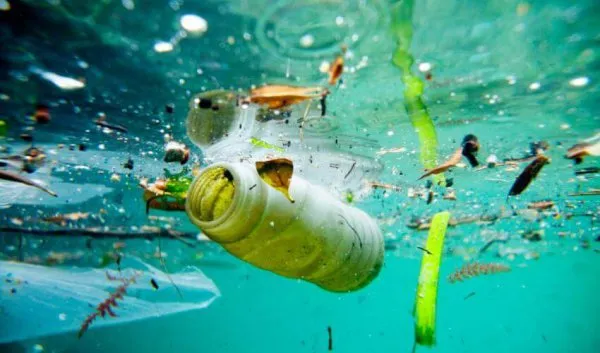
Specifically, this target seeks to substantially reduce marine pollution from various sources, especially from land-based activities (UN General Assembly 2015). It’s aimed at reducing marine debris and nutrient pollution that causes harmful algal blooms and dead zones. This goal is centered on enhancing waste management, reducing plastic use and preventing agricultural runoff through legislation.
Key points
These are the important keypoints that are crucial for understanding the impact of this topic.
- Plastic Waste Accumulation: The world discards enormous amounts of plastic daily, leading to oceans overwhelmed with plastic by 2050.
- Microplastics Presence: Microplastics are now found everywhere, including human blood and the deepest parts of the ocean.
- Coral Reef Degradation: Vietnam's coral reefs, particularly near Nha Trang, are at risk of collapse due to climate change and local human activities, with only 1% remaining healthy.
- Innovative Cleanup Technologies: The Ocean Cleanup, a Dutch nonprofit founded in 2013, develops and scales technologies to rid the oceans of plastic. They aim to remove 90% of floating ocean plastic by 2040.
- AI in Maritime Operations: NRMA's Manly Fast Ferry trialed the Hullbot cleaning system, an AI-powered autonomous robot, reducing diesel use by 13%, thereby cutting emissions and fuel bills.
Protecting and Restoring Marine and Coastal Ecosystems
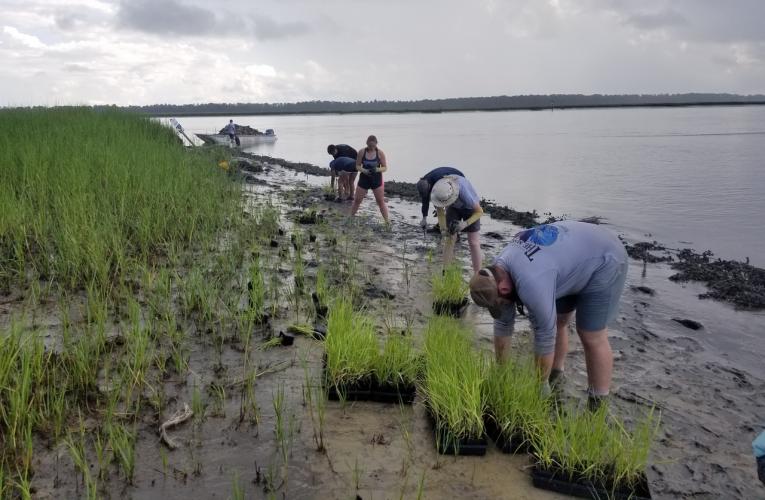
This target highlights the need to sustainably manage and protect marine and coastal ecosystems to avoid significant adverse impacts. This includes enhancing the resilience of these ecosystems and advancing their restoration towards healthy and productive oceans. Strategies include creating marine protected areas, restoring habitats such as coral reefs and mangroves, and adopting sustainable fishing practices.
Key points
These are the important keypoints that are crucial for understanding the impact of this topic.
- Coral Triangle Initiative (CTI): A multilateral partnership among Indonesia, Malaysia, Papua New Guinea, the Philippines, Solomon Islands, and Timor-Leste, aiming to sustain marine and coastal resources by addressing issues like food security, climate change, and marine biodiversity.
- Bahamas Debt-for-Nature Swap: The Bahamas refinanced $300 million of its external debt to allocate $120 million over 15 years for marine conservation and climate change mitigation, focusing on protecting ecosystems like mangroves and seagrass.
- Seawilding's Restoration Efforts: In Scotland, the charity Seawilding works to restore seagrass beds and oyster populations along the coast, combating pollution and environmental degradation affecting ancient underwater ecosystems.
- Vietnam's Coral Reef Conservation: Vietnam's coral reefs, particularly near Nha Trang, are at risk due to climate change and human activities. Conservation efforts include pausing tourism, controlling algae and predatory starfish, and establishing marine protected areas.
Minimizing Ocean Acidification
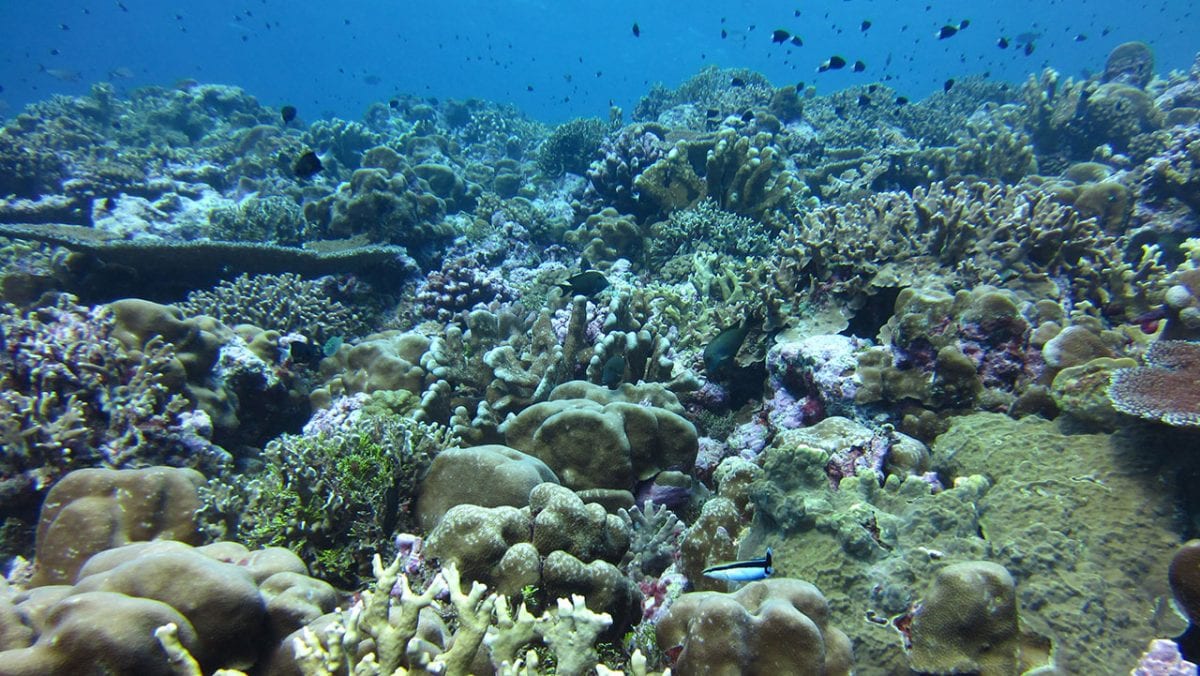
Targeted at mitigating the effects of the increased carbon dioxide uptake of the oceans, the objective is to reduce and prevent ocean acidification. Ocean acidification endangers life in the oceans, harms the food web, and threatens crucial services offered by the ocean and our food supply. Such mitigation strategies encompass reducing carbon emissions and increasing scientific study to track and comprehend acidification mechanisms.
Key points
These are the important keypoints that are crucial for understanding the impact of this topic.
- Rising Atmospheric CO₂ Levels: Increased carbon dioxide emissions from human activities lead to higher CO₂ concentrations in the atmosphere, which dissolves into oceans, forming carbonic acid and lowering pH levels.
- Threats to Marine Life: Ocean acidification adversely affects marine organisms, especially those with calcium carbonate shells or skeletons, such as corals, mollusks, and some plankton species.
- Impact on Coral Reefs: Lower pH levels hinder coral growth and structural integrity, leading to weakened reef ecosystems that support diverse marine life.
- Monitoring and Research Initiatives: Global efforts, like the Global Ocean Acidification Observing Network (GOA-ON), aim to enhance scientific understanding and monitoring of ocean acidification to inform mitigation and adaptation strategies.
- Policy and International Cooperation: Sustainable Development Goal 14.3 emphasizes the need to minimize and address the impacts of ocean acidification through enhanced scientific cooperation at all levels.