Guardians of the Blue Depths

Protecting Oceans, Preserving Life

Our Reason & Works

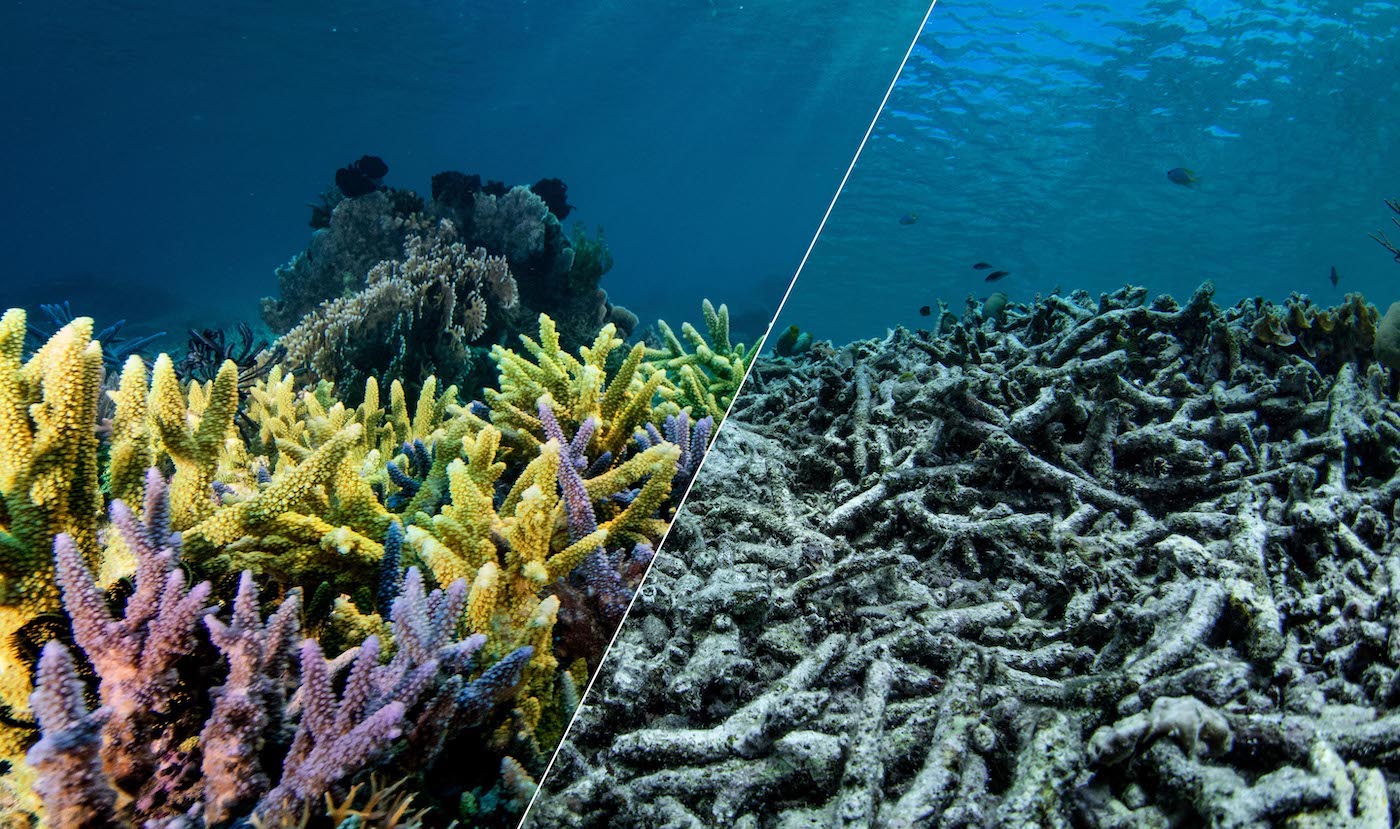
Marine biodiversity loss showing bleached coral

The Silent Crisis – Marine Biodiversity Loss

The ocean is home to 80% of life on Earth, yet marine species are disappearing at an alarming rate due to overfishing, habitat destruction, and climate change. Without urgent action, we risk losing entire ecosystems that sustain both nature and humans.

Key Insight:

Coral reefs, which support 25% of marine life, are expected to decline by 90% by 2050 due to rising sea temperatures.
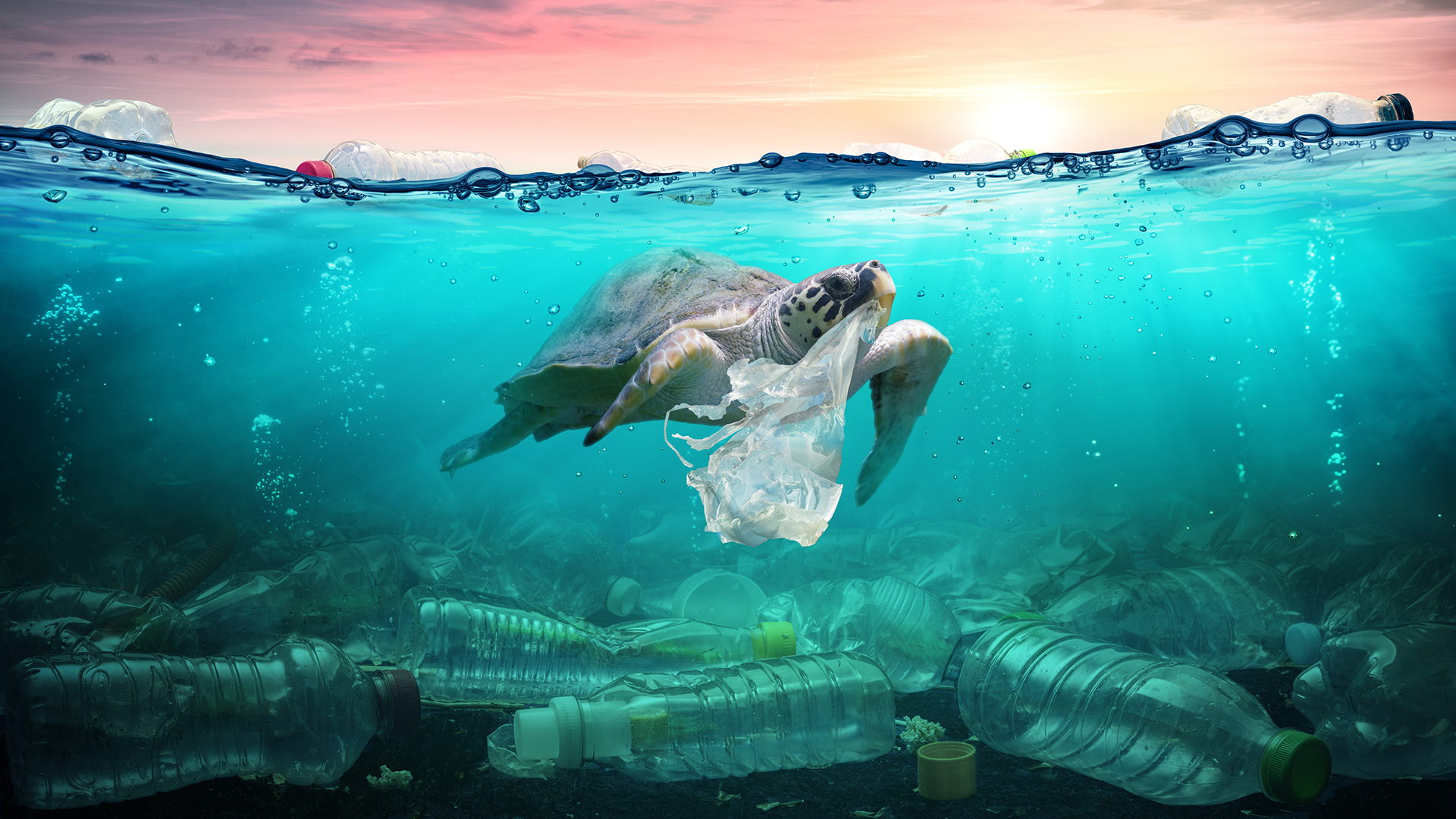
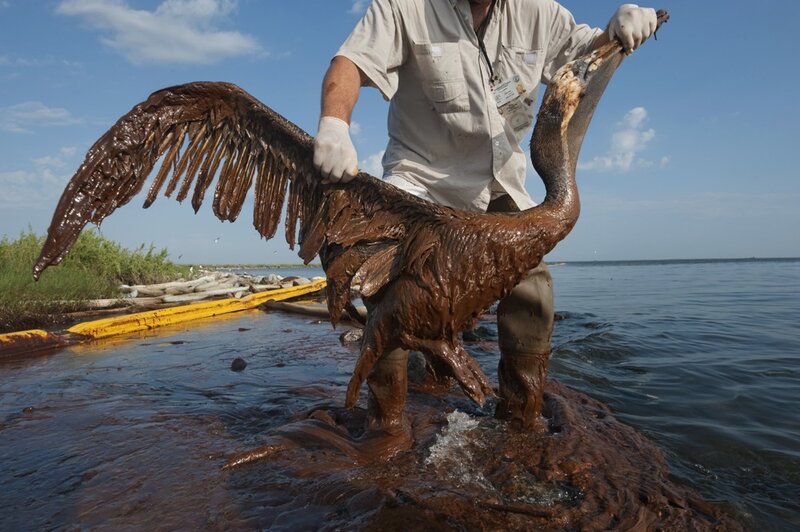
Plastic pollution in ocean with turtle

The Plastic Trap – Our Daily Impact

Every minute, a truckload of plastic enters the ocean. From microplastics in fish to massive floating garbage patches, plastic pollution is suffocating marine life and poisoning the food chain.

Did You Know?

Over 700 marine species, including whales, turtles, and seabirds, have been affected by plastic ingestion or entanglement.

Oil spill in ocean with damaged wildlife

Oil & Chemical Spills – Invisible Killers

Oil spills and toxic waste leaks create dead zones, where marine life suffocates due to lack of oxygen. These disasters can take decades to recover from, permanently altering coastal and deep-sea environments.

Example:

The Deepwater Horizon spill in 2010 released over 4.9 million barrels of oil, devastating ecosystems across the Gulf of Mexico.

About the Ocean

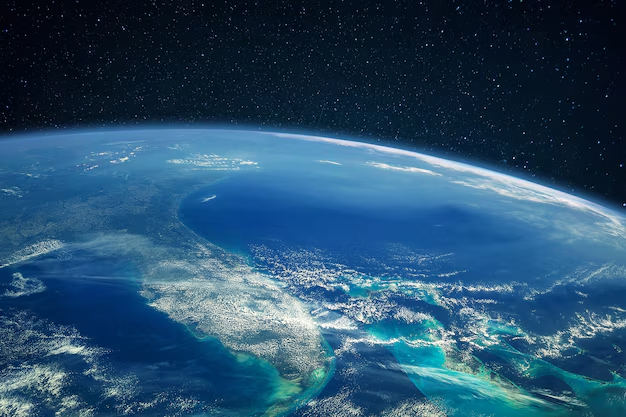
View of Earth from space showing oceans

The Ocean – Earth's Lifeline

The ocean covers 71% of our planet and produces 50% of the oxygen we breathe. It regulates climate, provides food, and sustains economies. Yet, it's one of the least explored and most endangered ecosystems on Earth.

Fact:

Scientists estimate that 80% of the ocean remains unmapped, holding countless undiscovered species.

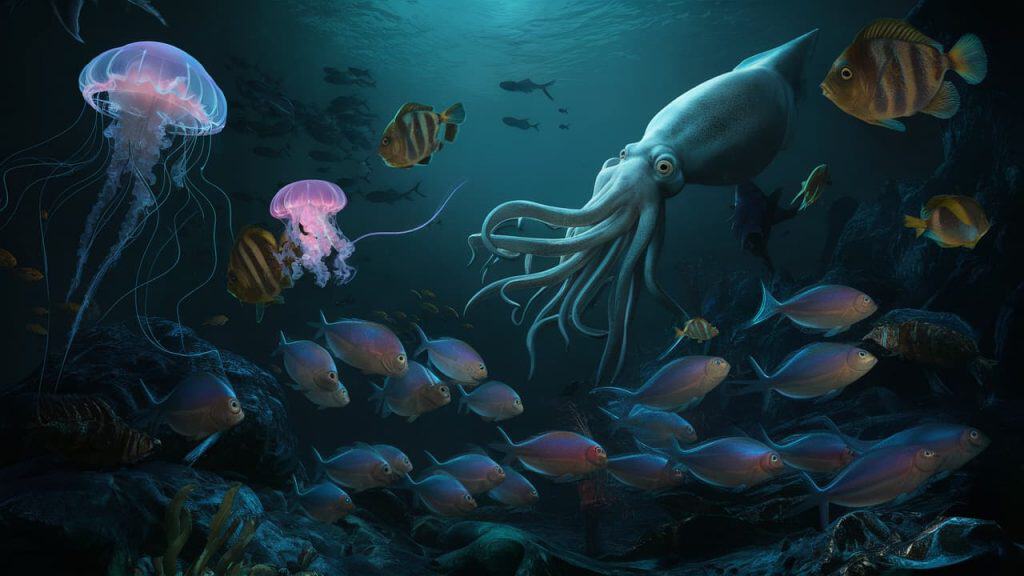
Deep sea bioluminescent creatures

The Deep Unknown – Life Below 1,000 Meters

The deep sea is the largest and least known part of the planet. Creatures like bioluminescent jellyfish, vampire squid, and giant tube worms thrive in complete darkness.

Interesting Fact:

The Mariana Trench is the deepest part of the ocean, stretching over 36,000 feet—deeper than Mount Everest is tall.

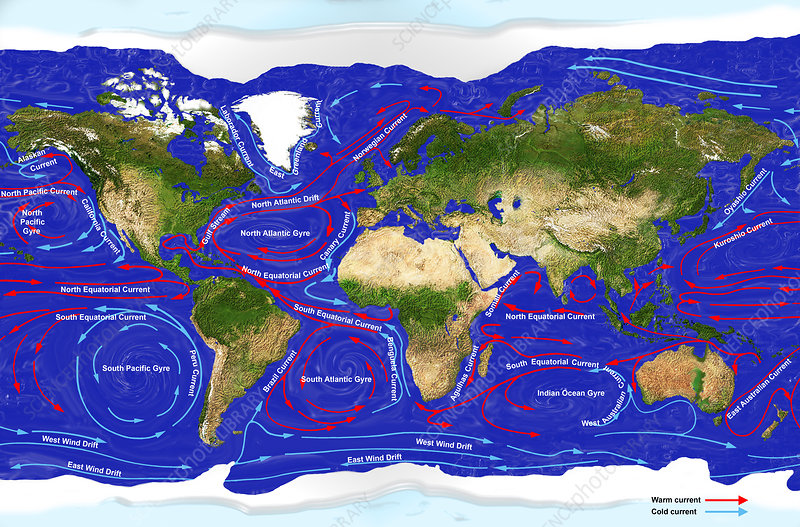
Visualization of ocean currents

Ocean Currents – The Planet's Circulatory System

Ocean currents distribute heat, regulate weather patterns, and transport nutrients across the globe. However, human activities are disrupting these delicate systems, leading to extreme weather and ecosystem collapse.

Did You Know?

The Great Ocean Conveyor Belt moves water across the planet in a cycle that takes 1,000 years to complete.

Our Key Focus Areas

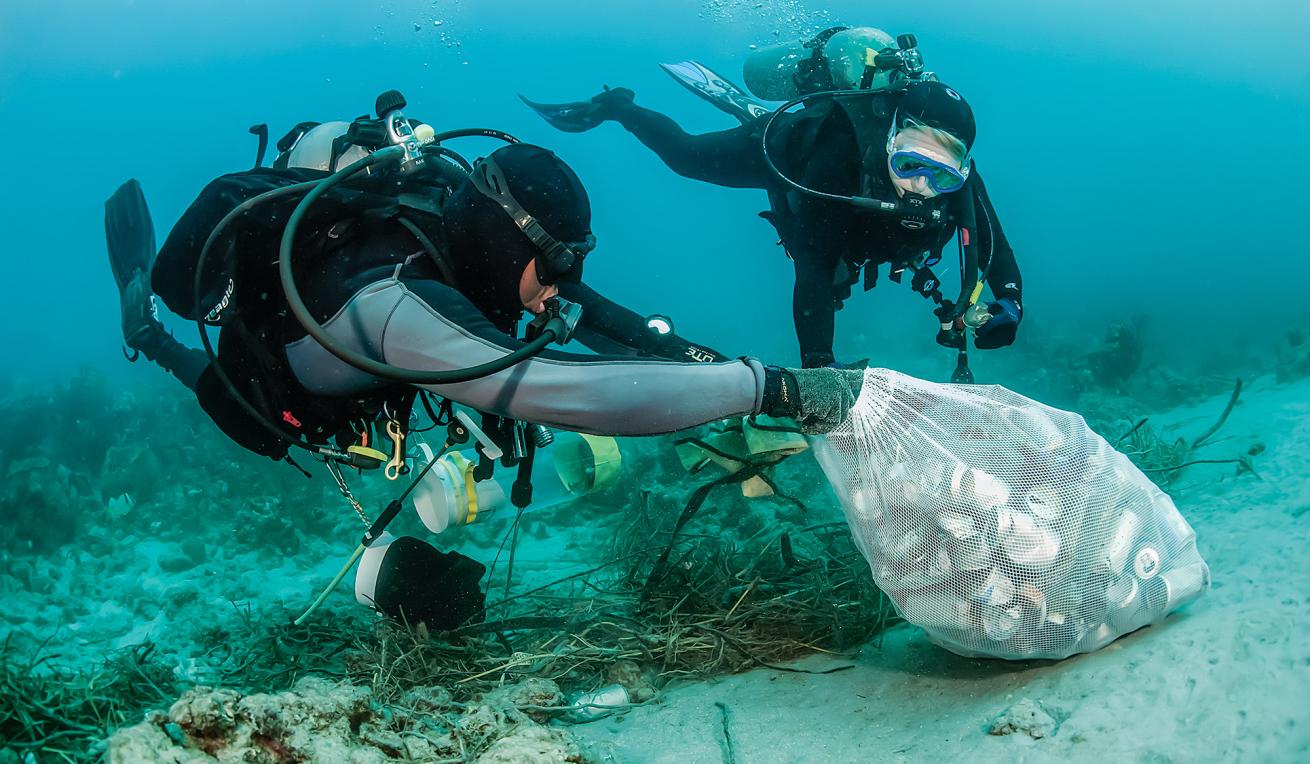
Diver cleaning trash from ocean

Trash Takedown

Plastic, chemical spills, and industrial waste are turning oceans into toxic dumps. We actively remove debris, advocate for cleaner industries, and promote zero-waste policies.

Impact:

In 2023 alone, we removed over 50,000 tons of plastic from critical habitats.

Coral reef restoration project

Ecosystem Overdrive

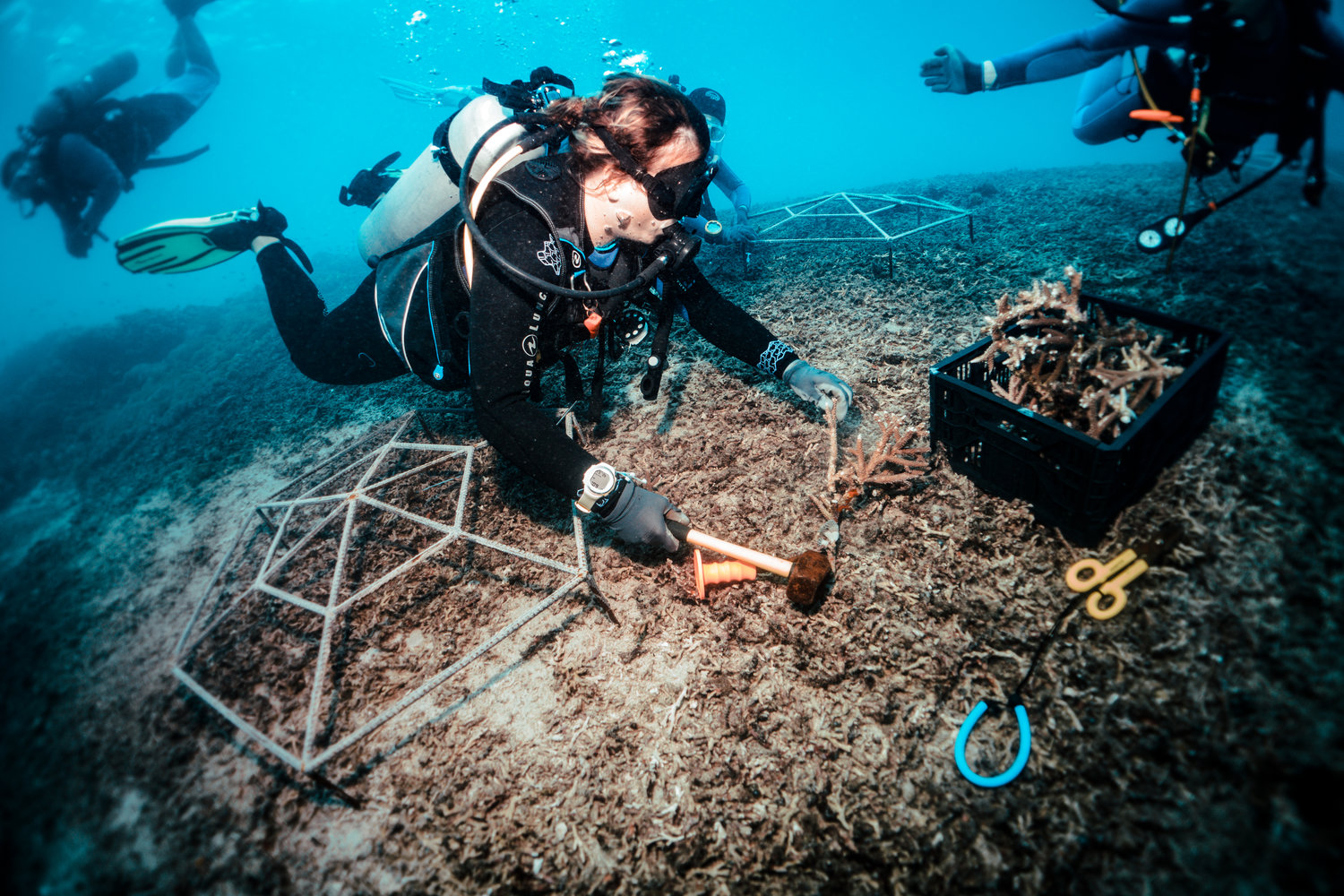
Rebuilding habitats is key to ocean survival. Our projects restore mangroves, coral reefs, and seagrass beds, ensuring that marine life has a safe home to thrive.

Success Story:

Our coral reef restoration efforts have increased fish populations by 45% in affected areas.

Sustainable fishing practices

Fish Forward

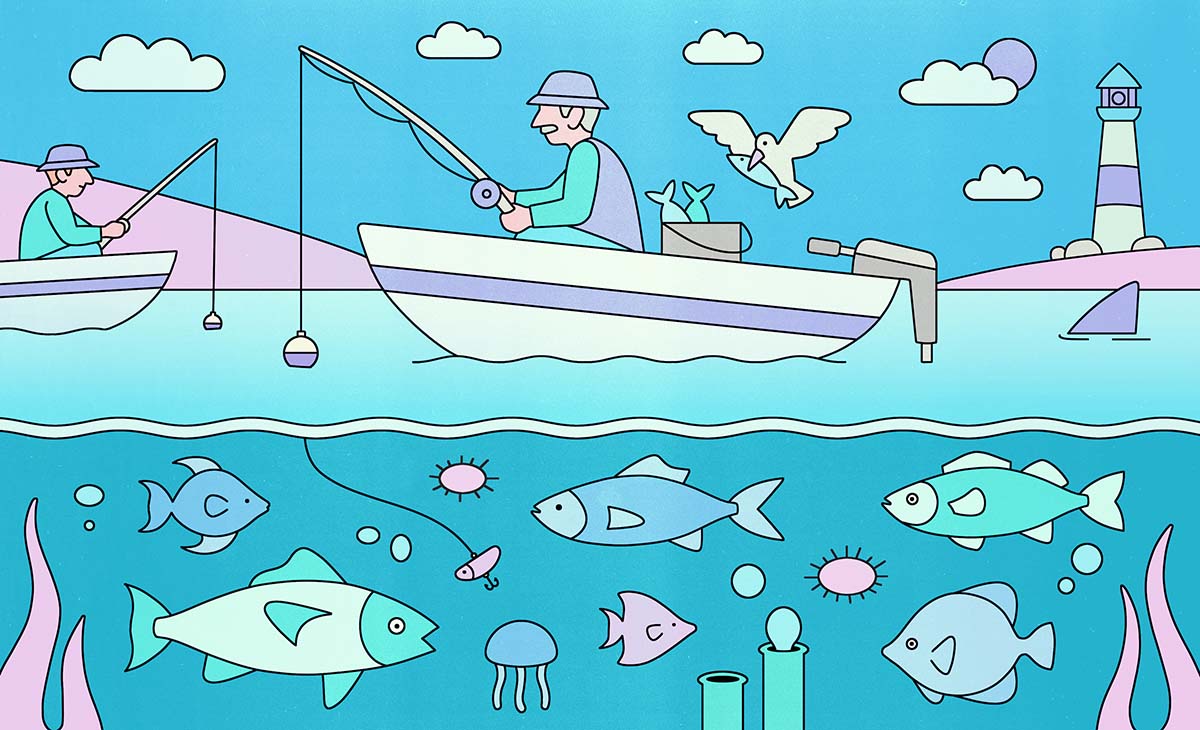
Unregulated fishing is destroying marine ecosystems. We work with policymakers to establish sustainable fishing zones, reducing bycatch and protecting marine species from extinction.

Fact:

Overfishing has caused the decline of 90% of large fish populations in the last century.

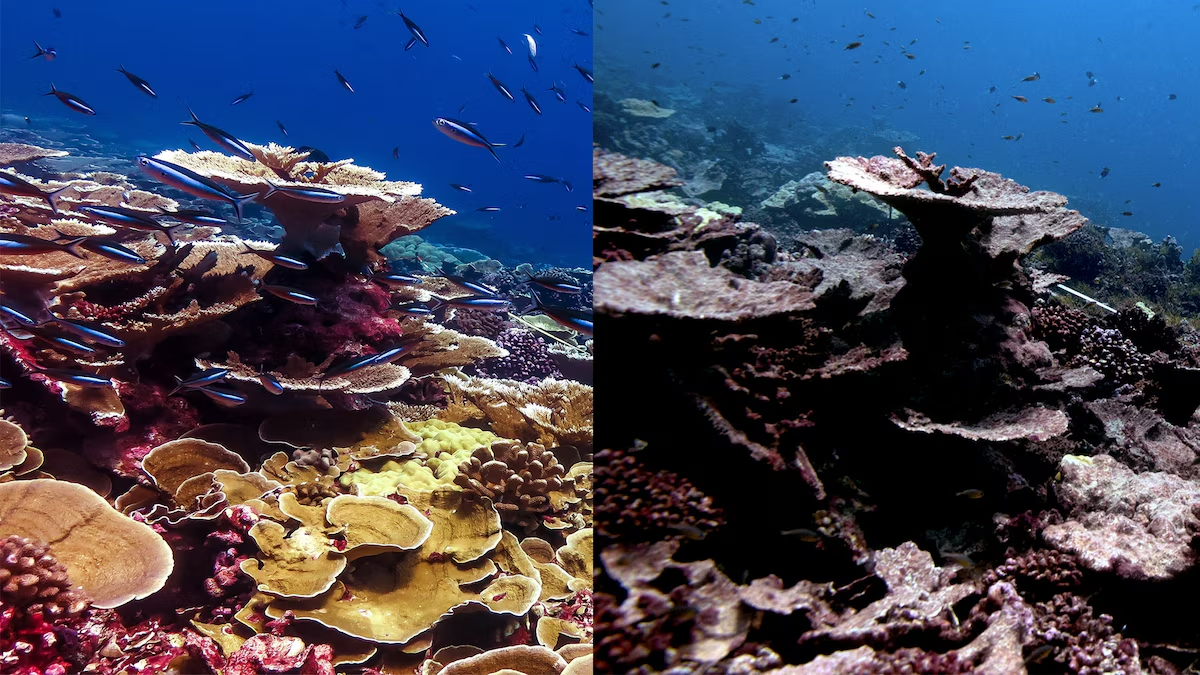
Coral bleaching due to climate change

Climate Reset

Oceans absorb 25% of CO₂ emissions, leading to acidification and rising temperatures. We push for carbon reduction policies, develop marine-protected areas, and fight against coral bleaching.

Did You Know?

The ocean has absorbed enough heat in the last 50 years to equal the energy of 3.6 billion atomic bombs.

Join Our Mission to Protect Life Below Water

Together, we can make a difference for our oceans and all the life they support.