Understanding Marine Ecosystems
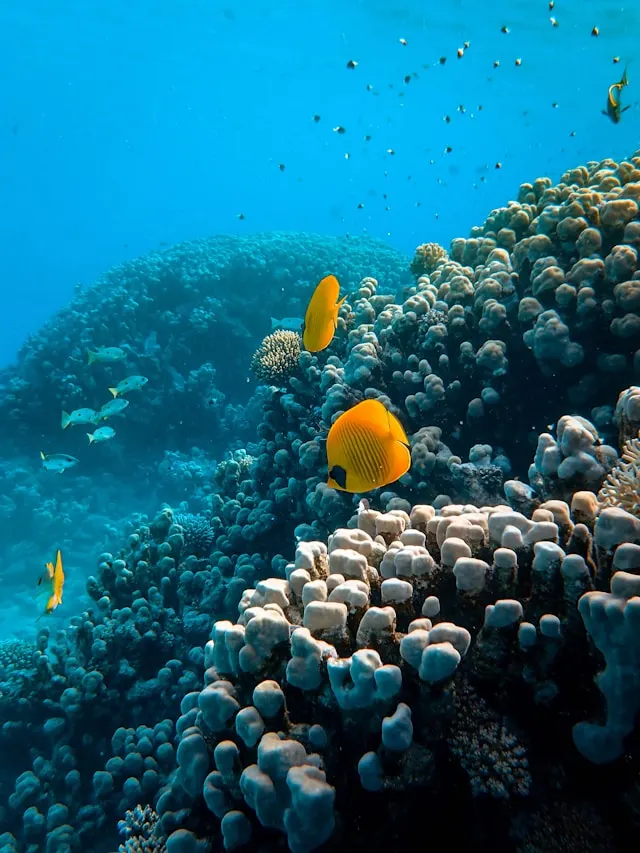
Marine ecosystems are the foundation of oceanic life, encompassing diverse habitats like coral reefs, mangroves, seagrass beds, and deep-sea zones. These systems support an incredible variety of species, from tiny plankton to massive whales, and play a critical role in global processes. They regulate climate, produce oxygen, and provide food and livelihoods for billions of people, making their health vital to both nature and humanity.
Key points
- Biodiversity Hotspots: Coral reefs, covering less than 1% of the ocean floor, support over 25% of all marine species.
- Ecosystem Services: Oceans generate over 50% of the world's oxygen and absorb significant amounts of carbon dioxide.
- Human Dependence: More than 3 billion people rely on seafood as a primary protein source.
Challenges Facing Our Oceans

The world's oceans face growing threats from human activities. Plastic pollution clogs waterways and harms wildlife, while overfishing disrupts food chains and depletes fish populations. Climate change adds further pressure, warming waters and altering habitats. These challenges threaten the delicate balance of marine ecosystems and the communities that depend on them.
Key points
- Plastic Pollution: Around 8 million tons of plastic enter the oceans yearly, endangering marine life.
- Overfishing: Over 33% of global fish stocks are overexploited, risking long-term ecosystem collapse.
- Climate Change: Rising ocean temperatures disrupt species migration and habitat stability.
Solutions and Actions for Conservation
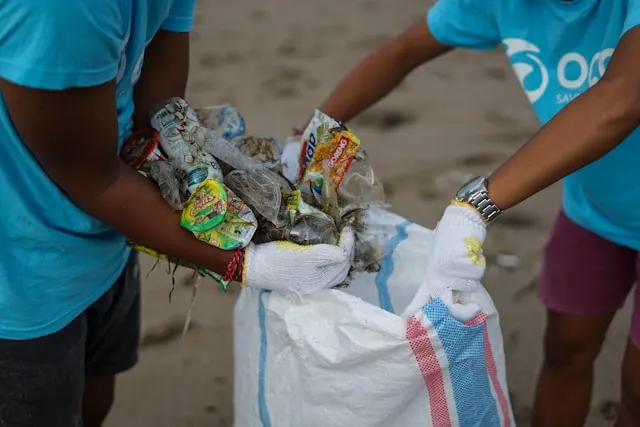
Protecting our oceans demands proactive solutions and collective action. Establishing marine protected areas preserves biodiversity, while sustainable fishing practices ensure fish stocks recover. Reducing pollution through better waste management and community initiatives, like coastal cleanups, also makes a difference. These efforts aim to restore marine health and secure a sustainable future.
Key points
- Marine Protected Areas: About 7.6% of oceans are protected, with a global target of 30% by 2030.
- Sustainable Fishing: Quotas and regulations help rebuild fish populations and maintain ecosystem balance.
- Community Action: Volunteer efforts, such as beach cleanups, reduce local pollution and raise awareness.